Small bathrooms present a design challenge, but with deliberate planning you can achieve a space that feels larger and works better for daily routines. This guide provides expert-backed ideas focused on layout, storage, lighting, and materials to maximize function without sacrificing style.
Smart layout and space planning
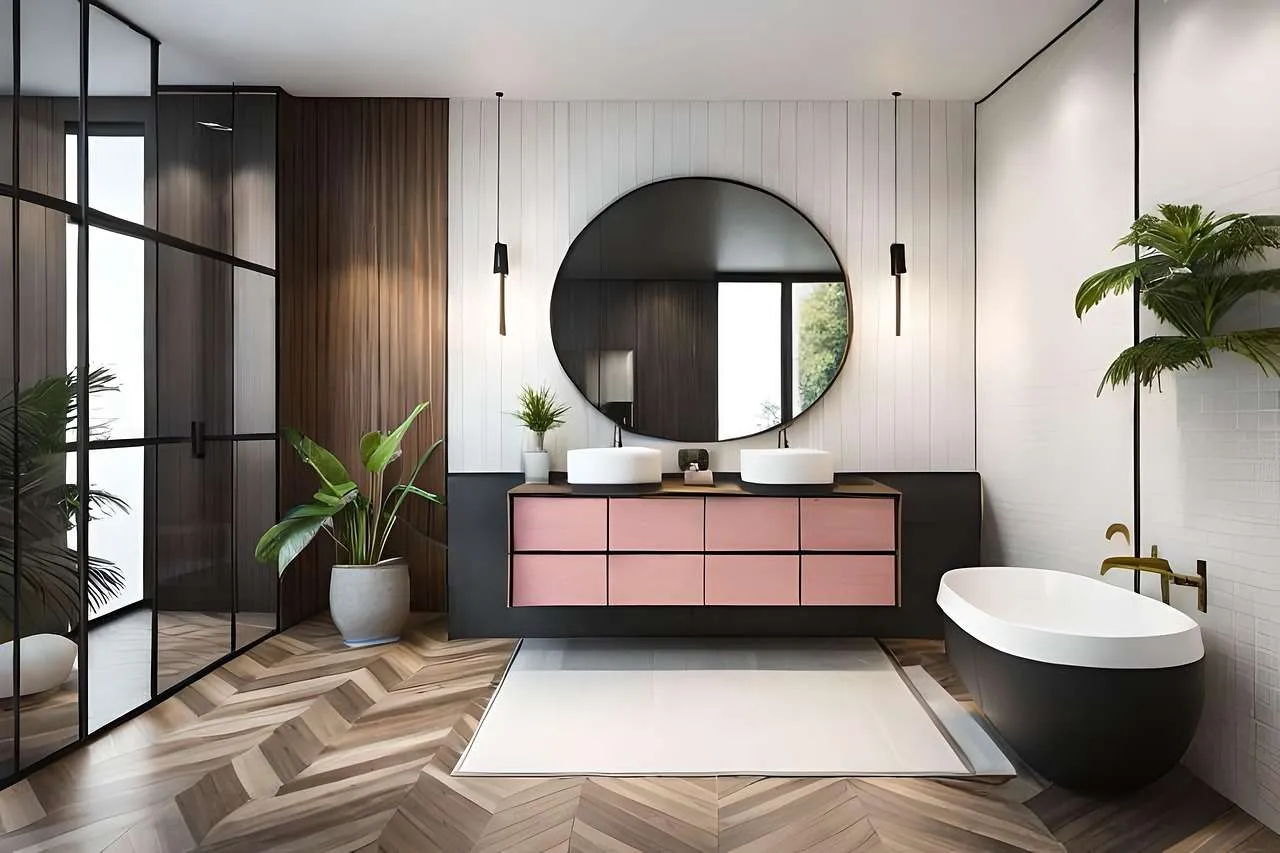
In tight bathrooms every inch matters. Consider a frameless glass shower to visually expand the room and a wall-hung toilet to free floor space. If possible, replace a hinged door with a pocket door to eliminate swing clearance. Align fixtures along one wall to create a clear traffic path, and use a vanity that fits the depth of the space while offering essential storage. For very narrow baths, a rounded basin or corner sink can free waist-level space for movement.
Pro tips
- Use vertical lines and mirrors to extend the perceived height of the room.
- Choose compact fixtures with rounded edges to soften the line of sight.
- Plan a consistent axis for plumbing to simplify installation and reduce costs.
Storage that works in limited space
Smart storage is the backbone of small bathrooms. Opt for recessed niches inside the shower, tall slim cabinets, and floating vanities with internal organizers. Mirror-front medicine cabinets provide dual-purpose storage and reflected light. Use drawer dividers, shelf risers, and towel hooks on the back of doors to keep daily items accessible without crowding the floor. Vertical organizers and hooks maximize every inch of wall space.
Light, color, and materials
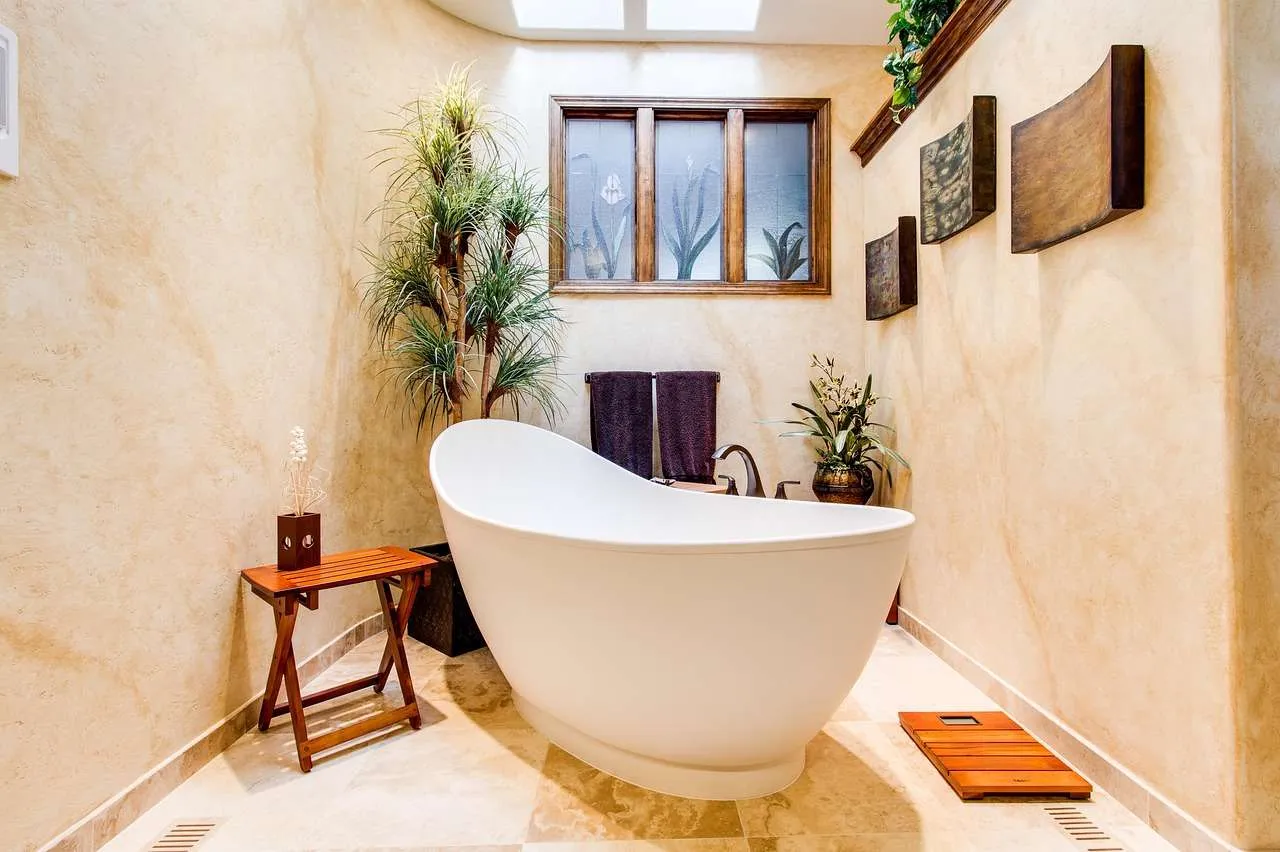
Light colors, large-format tiles, and reflective surfaces help to brighten a small bathroom. A frameless shower door reduces visual clutter, while bright LED lighting with warm color temperature creates depth and comfort. If plumbing and budget permit, add a skylight or a vented window to improve air quality and reduce moisture buildup. Choose moisture-resistant flooring and splash zones that are easy to clean and maintain.
Durable fixtures and budgeting for success
Select water-efficient fixtures and moisture-resistant materials such as cement board and properly sealed substrates. Prioritize quality waterproofing and ventilation during installation to meet safety standards and ensure long-term performance. A modest budget that prioritizes a single high-impact upgrade—like a floating vanity or glass shower—often yields the best return in a small bath.
Comparison table: 4 space-saving ideas
| Idea | Pros | Cons | Best For |
|---|---|---|---|
| Floating vanity | Creates open floor space; easy cleaning | Limited storage; wall strength needed | Small powder rooms |
| Pocket door | No swing space; streamlined look | Higher install cost; wall condition matters | Tight entrances |
| Walk-in shower with glass | Feels larger; accessible | Less shower storage | Shared baths |
| Wall-mounted toilet | Less clutter; easier cleaning | Rough-in plumbing adapters needed | Compact spaces |
In practice, combine two or more ideas to maximize impact. For example, pair a pocket door with a floating vanity and a frameless shower to create a continuous line and reduce visual clutter.
From a trust perspective, this guide emphasizes durable materials, tested fixtures, proper installation, and adherence to building codes to ensure safety and longevity. The tips below reflect practical experience from professional designers and contractors who prioritize reliable performance and long-term value for homeowners.
Conclusion, smart small-bathroom ideas combine layout optimization, efficient storage, bright lighting, and durable materials to create a bigger-feeling space with lasting results.