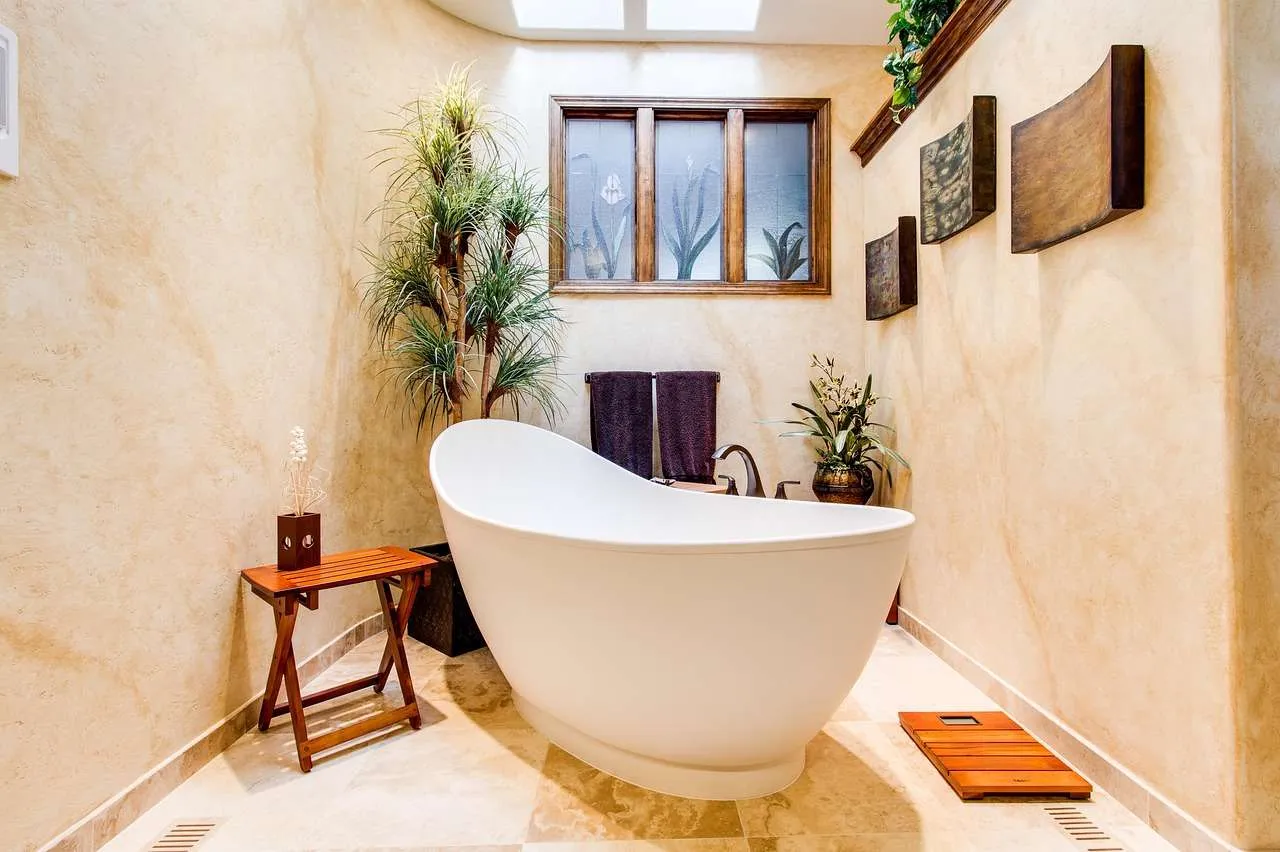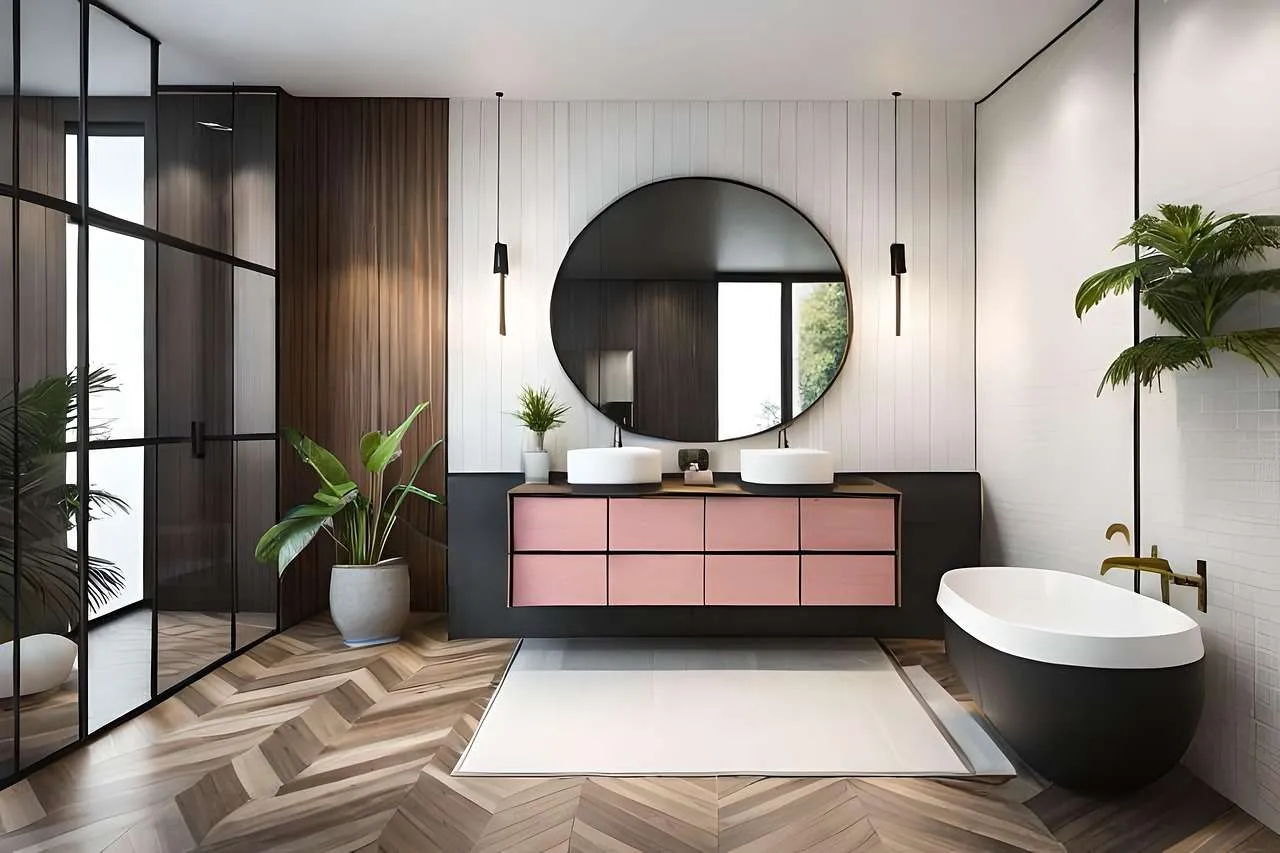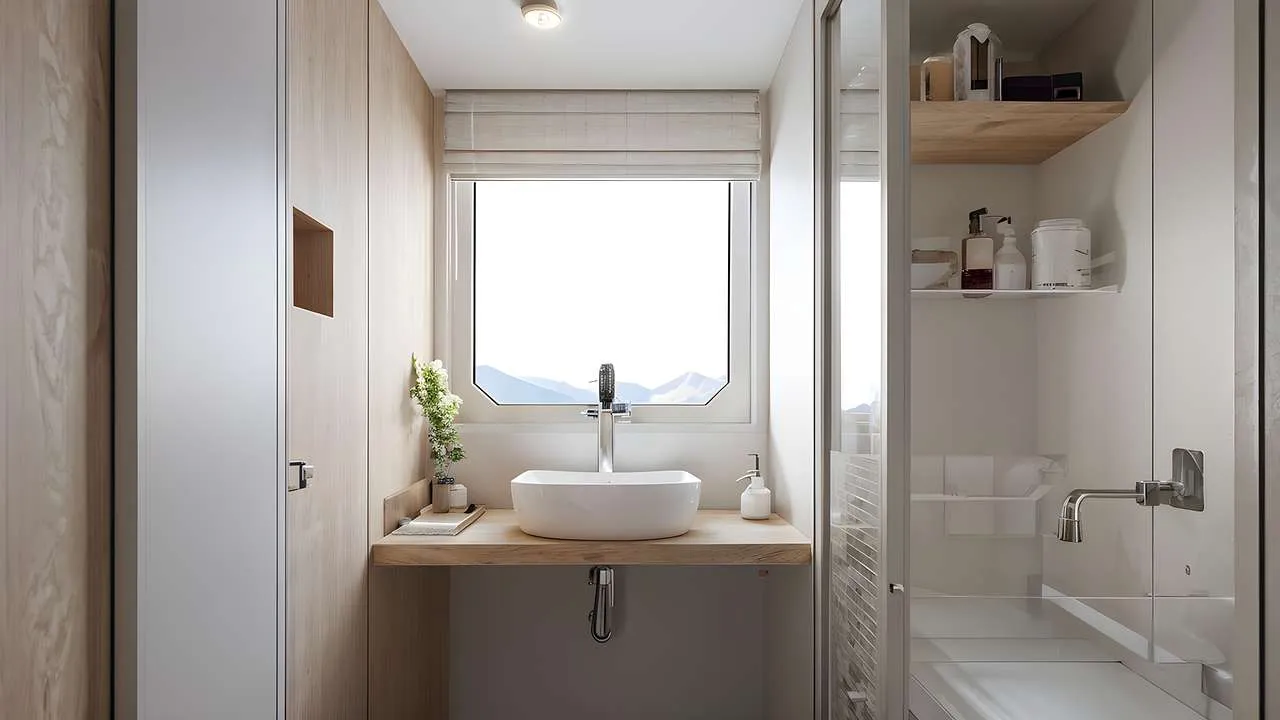
Bathrooms are no longer purely functional spaces; they are refuges where comfort and style meet. If you're looking for bathroom decor ideas that combine practicality with personality, this guide walks you through proven strategies, trend-conscious finishes, and budget-friendly upgrades that deliver lasting impact. The tips here align with expert interior design principles to help you create a space that feels cohesive, fresh, and easy to maintain.
Key Elements of Successful Bathroom Decor
Start with a solid foundation: lighting, color, storage, and durable materials. These elements influence how the room looks and how it performs. A well-lit bathroom appears larger and more inviting, while color choices set the mood. Smart storage reduces clutter and increases perceived space.
To support long-term health and comfort, prioritize ventilation and moisture control. A good exhaust fan and well-sealed showers minimize mold risk and preserve finishes. Consistent maintenance, such as caulking and cleaning grout with non-abrasive products, extends the life of your decor choices.
Lighting and Color
Layered lighting—ambient, task, and accent—ensures no corner feels dark and creates depth. Neutral walls with a bold vanity or tile can provide a focal point without overwhelming the space. If the ceiling is low, consider glossy white or pale shades that bounce light and visually lift the ceiling.
Fixtures, Storage, and Surfaces
Opt for wall-mounted vanities and floating cabinets to free floor space. Choose moisture-resistant finishes such as porcelain tile, quartz countertops, and tempered glass. Hidden storage like drawers with dividers, recessed medicine cabinets, and niches in the shower curb keep surfaces clear and clean.
Textures and Finishes
Mix textures to add depth: matte fixtures with high-gloss surfaces, natural stone or wood accents, and soft textiles like cotton towels. Use sealants that resist water and mildew; matte black, brushed nickel, or brass finishes can unify hardware and fixtures.
Greenery and Accessories
Low-maintenance plants, such as snake plants or pothos, thrive in bathrooms with humidity. Accessories like a coordinated soap dispenser, a stylish mirror, and a towel ladder create visual rhythm and cohesion.
Smart Planning for Any Bathroom
Before you shop, measure the space, assess ventilation, and set a realistic budget. Create a mood board with color swatches, sample tiles, and photos of fixtures you like. If you’re renovating a small bathroom, prioritize storage and lighting over large-scale changes to maximize impact without overcrowding.
Develop a practical timeline: start with structural improvements (ventilation, waterproofing, and lighting), then update surfaces, followed by hardware and accessories. If possible, plan renovations in off-peak seasons to minimize disruption and cost.
Styles at a Glance
| Style | Aesthetic | Best For | Typical Cost | Key Elements |
|---|---|---|---|---|
| Modern Minimal | Sleek, uncluttered | Small spaces | Medium | Flat surfaces, neutral tones, concealed storage |
| Transitional | Warm and balanced | Family bathrooms | Medium-High | Soft contrasts, wood tones, timeless fixtures |
| Classic Spa | Calm and luxe | Master baths | High | Stone, premium fixtures, layered lighting |
| Coastal | Bright and airy | Bright mornings | Medium | Blue/white palette, wicker accents, natural textures |
| Bold & Modern | Statement and color | Design-forward homes | Varies | Colorful tiles, metal fixtures, striking vanity |
When selecting a style, balance personal taste with the home's architecture. A cohesive scheme across the fixtures, cabinetry, tile, and hardware helps the room feel larger and more polished, even if the space is compact.
Maintenance and durability should guide material choices. Porcelain or ceramic tiles with anti-slip textures, quartz counters, and sealed wood accents resist moisture and wear. Always check warranty details for high-use areas like vanities and shower enclosures.
Budget and timeline considerations are essential. Replacing vanity hardware, upgrading lighting, and updating accessories can deliver a noticeable uplift without a full remodel. For larger overhauls, plan in phases: update lighting and fixtures first, then refresh tile and cabinetry as budget allows.
For credibility and EEAT, consider consulting a professional designer for custom cabinetry, layouts, and safety-compliant water sources, especially in multi-occupant homes or rooms with aging-in-place requirements.
Summary This article covered how to choose and implement bathroom decor ideas, balancing aesthetics, function, light, and budget to create a timeless space.